
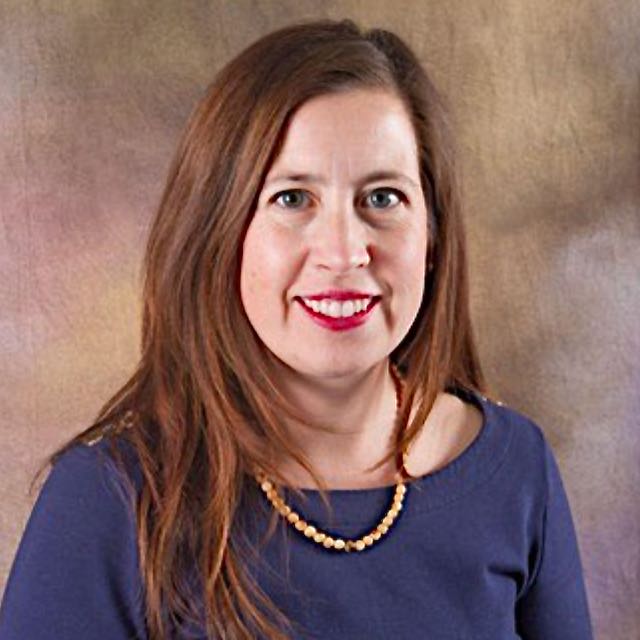
Lael M. Oldmixon, M.Ed., Executive Director, Education Trust of Alaska
School boards across Alaska play an important role in supporting not only student success, but also the long-term well-being of the educators, staff, and families who make that success possible. One practical, and often underutilized, tool is already in place in most districts: payroll direct deposit.
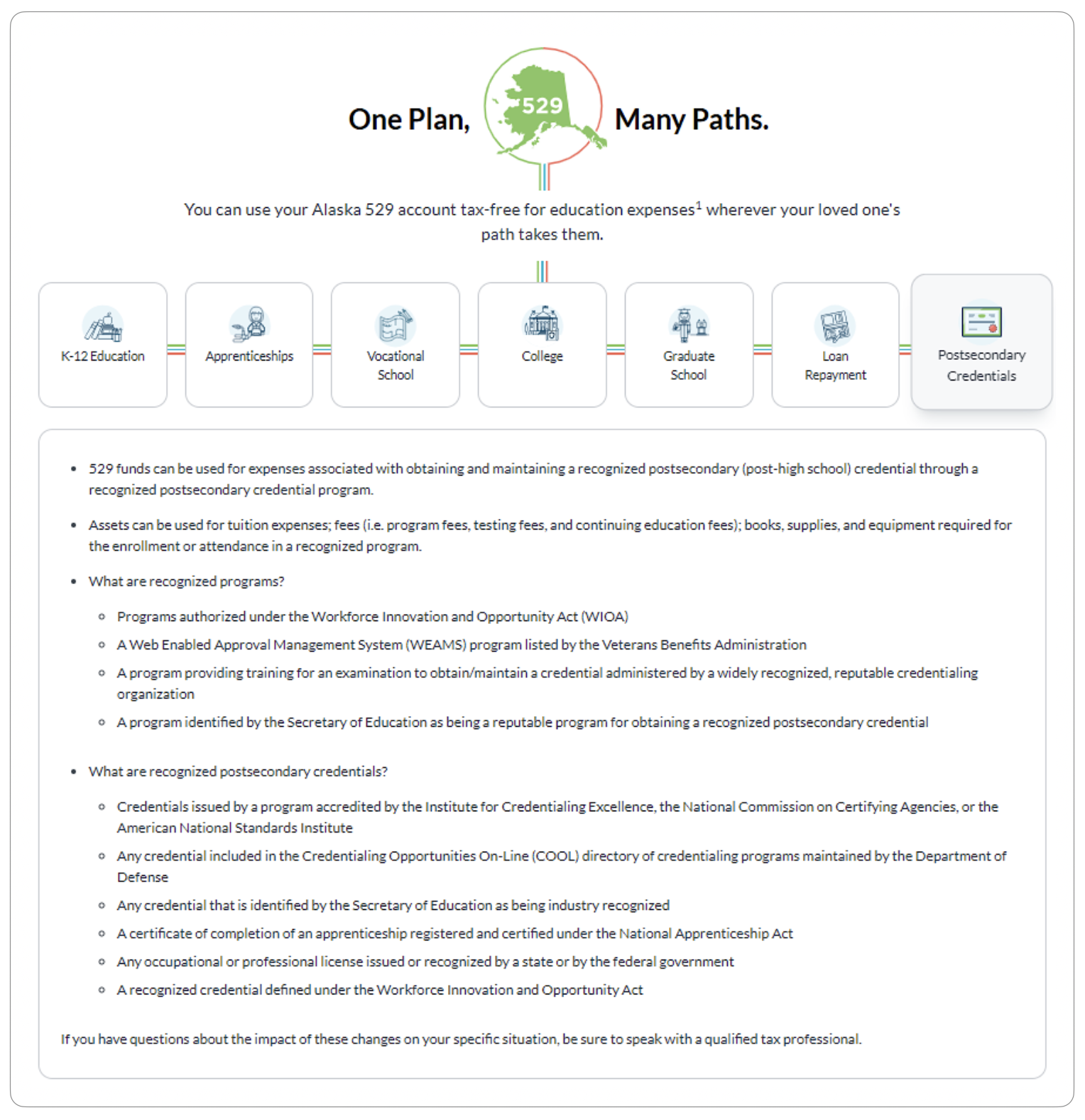
Over the past several years, the definition of qualified expenses for education savings plans, commonly known as 529 plans, has expanded significantly. These accounts are no longer limited to traditional college tuition. They can now be used for a wide range of post-secondary (post-high school) credentials through recognized programs. This includes many of the certifications, endorsements, and training programs required by educators and school staff.
In a state like Alaska, where accessing education and training can require significant time, travel, and expense, this flexibility matters. It creates more opportunities for individuals to invest in their own professional growth, as well as in the futures of their children and families.
While there are many ways to save, one of the simplest and most effective is through payroll direct deposit. Many school district payroll systems already allow employees to split their paycheck across multiple accounts. With just a few clicks in a self-service portal, an employee can direct a portion of their pay into an education savings account.
I’ve taken this approach myself, setting aside $75 from each paycheck into an Alaska 529 account, with the remainder going to my checking account for everyday expenses. It’s a small, manageable amount, but the consistency is what makes the difference.
Over time, those contributions add up. Saving $75 per paycheck results in about $1,800 each year. Over 18 years, that totals roughly $32,000 without any investment growth. With an average annual return of 6% in a tax-advantaged account, those same contributions could grow to approximately $58,000. That is the power of starting early and saving consistently.
Payroll direct deposit makes this process automatic and predictable. It also creates an easy opportunity to increase savings over time, whether by adjusting contributions with a cost-of-living increase, directing a portion of a bonus, or adding occasional “extra” contributions from gifts or other windfalls.
For school boards and district leaders, there is an opportunity here to support employees in a meaningful and practical way. Ensuring that payroll systems allow for flexible direct deposit allocations is an important first step. Beyond that, districts can promote education savings as part of employee benefits and share simple strategies that make saving more accessible.
These are small actions, but they can have a lasting impact.
In the end, building education savings doesn’t require large, one-time contributions. It starts with consistency. By making it easier for employees and families to save directly from their paychecks, districts can help create stronger financial foundations and expand access to education and training opportunities across Alaska.
Contact our Alaska 529 Workplace team at alaska529@alaska.edu to find out how we can help you and your employees plan and achieve education savings goals.
Lael M. Oldmixon, M.Ed., is the Executive Director of the Education Trust of Alaska. She is a parent of an 8th and 10th grader, and a long-time advocate of post-high school education and training. She has worked for the University of Alaska for nearly 20 years. Her goal is to help Alaska families understand the various strategies for making education and training after high school affordable and attainable.