Lori Grassgreen
Director of Conditions for Learning
AASB
Lori Grassgreen
Director of Conditions for Learning
AASB
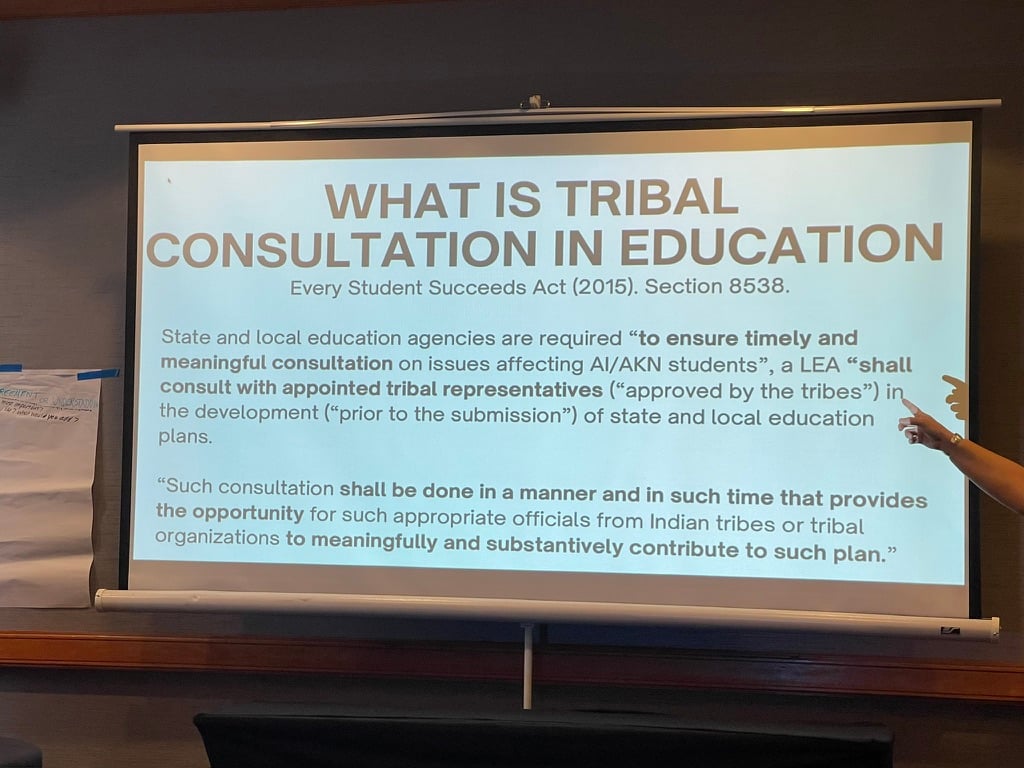
On April 19th at AASB’s Spring Boardsmanship Academy, school board members, administrators, and tribal partners gathered for a conversation on strengthening Tribal Consultation across Alaska. The message from the room was clear: true consultation is more than a checkbox. It is a government-to-government relationship built on trust and a collective commitment to our students.
Joel Isaak (Kenaitze Tribe), Mischa Jackson (Central Council of Tlingit and Haida Indian Tribes of Alaska), and Sigvanna Tapqaq (Kawerak) provided an overview of consultation, legal definitions and requirements, and examples of consultation.
A panel made up of school board members, tribal organization leaders, and school district staff shared the steps they have taken to advance consultation this year. This included drafting MOAs, offering listening and informational sessions, building relationships and establishing authorized representatives and meeting times.
“Through our tribal consultation panel, we’ve had important conversations about how to move our relationships forward—shifting from a ‘check-the-box’ approach to one grounded in meaningful collaboration,” noted Amber Frommherz, Juneau School Board member and panelist. “School districts and Tribes are learning together and figuring this out as we go, and these early steps toward better communication matter—they help build the trust needed for long-term partnerships.”
Jaime Galvan, Director of Indigenous Education for the Anchorage School District and panelist, shared several steps taken this year within her district to build strong relationships and improve consultation. She stated: “Not every Tribal Consultation is perfect, and that’s okay—you learn as you go. Be open to feedback, invite collaboration, and honor the different perspectives and experiences that everyone brings to the table.”
There were several core themes that came out of the conversations with partners.
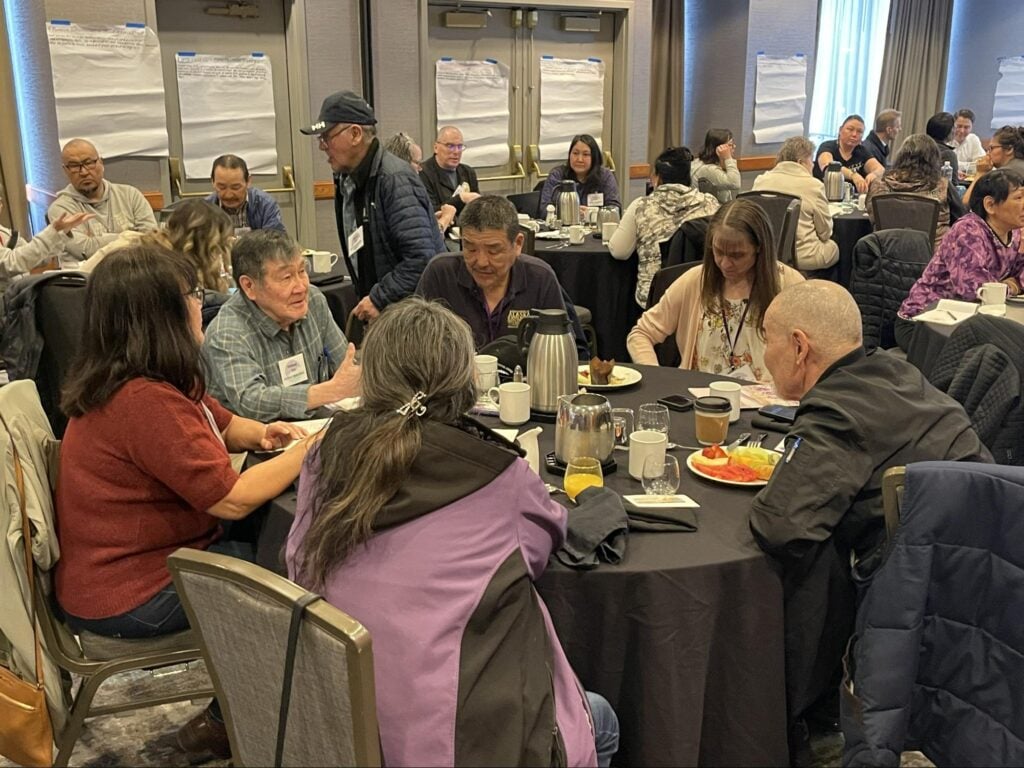
Meaningful consultation will require all of us dedicating ourselves to work government-to-government, to add items permanently to our agendas, and to break down organizational silos. Grounding the conversation in student data makes the shared goals across governments clear.
The clear message from the academy was to just start somewhere. When we actively listen to what our tribal leaders, community, and families say and back it up with systemic policy changes, we create the educational environment our children deserve.
AASB’s Policy Team will share BP 1420 and other tribal consultation companion resources with AASB’s June policy updates.